The importance of local fly fishing shops cannot be overstated. They provide tailored expertise and essential gear suited for local conditions.
By choosing to shop locally, anglers not only support their community but also tap into valuable resources. This article will explore key shops in your area, essential equipment, and expert tips to elevate your fishing experience.
Discover what lies ahead and how it can enhance your next fishing adventure.
Shopping local for fly fishing gear offers numerous benefits that can enhance the overall experience for anglers. Local shops often provide specialized knowledge that big-box retailers may lack, allowing customers to receive tailored advice for their specific fishing needs.
Additionally, shopping locally supports the community, fostering relationships between anglers and shop owners, who can offer valuable insights into local fishing conditions and best practices. Local stores typically carry equipment suited for the region, ensuring anglers have access to the right gear for their environment.
Moreover, the chance to physically examine products before purchase can lead to more informed decisions. Overall, choosing local fly fishing shops greatly enriches the angler's experience and contributes to the sustainability of the local economy.
Finding the best fly fishing shops in the area can markedly enhance an angler's experience. Local shops often offer specialized knowledge, helping fishermen select the right gear and techniques for their specific locations. Notable fly fishing shops may include established retailers known for their expert staff and extensive inventory.
Shops that provide guided trips, workshops, and community events foster a sense of camaraderie among anglers. Additionally, many of these stores focus on sustainable practices, ensuring that fishing remains a viable activity for future generations.
By visiting these shops, anglers can access tailored advice, quality equipment, and a supportive community, all of which contribute to a more successful and enjoyable fly fishing experience.
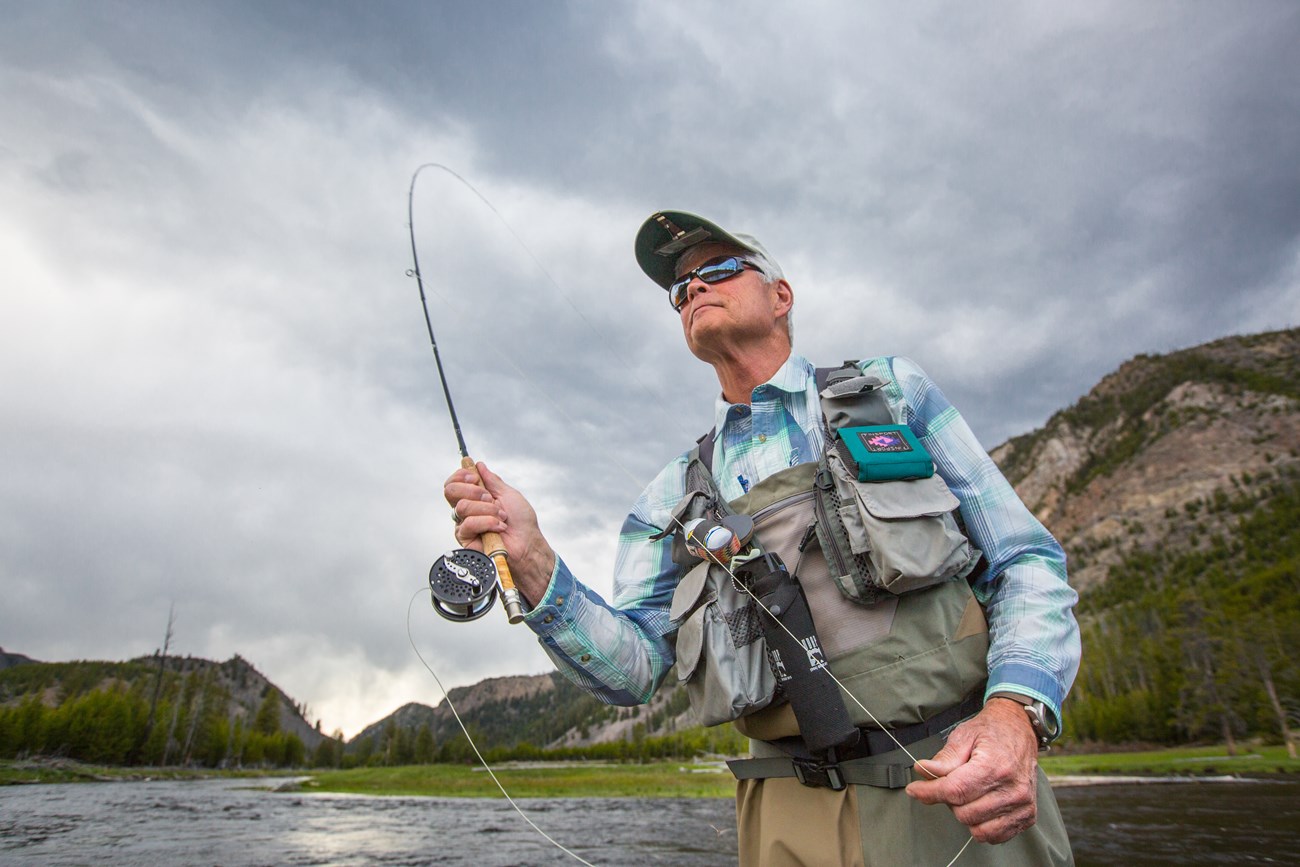
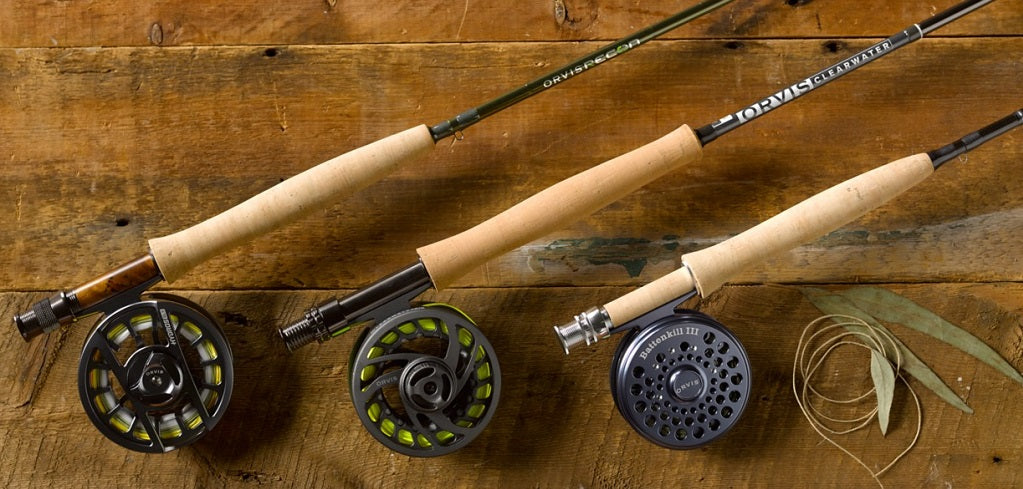
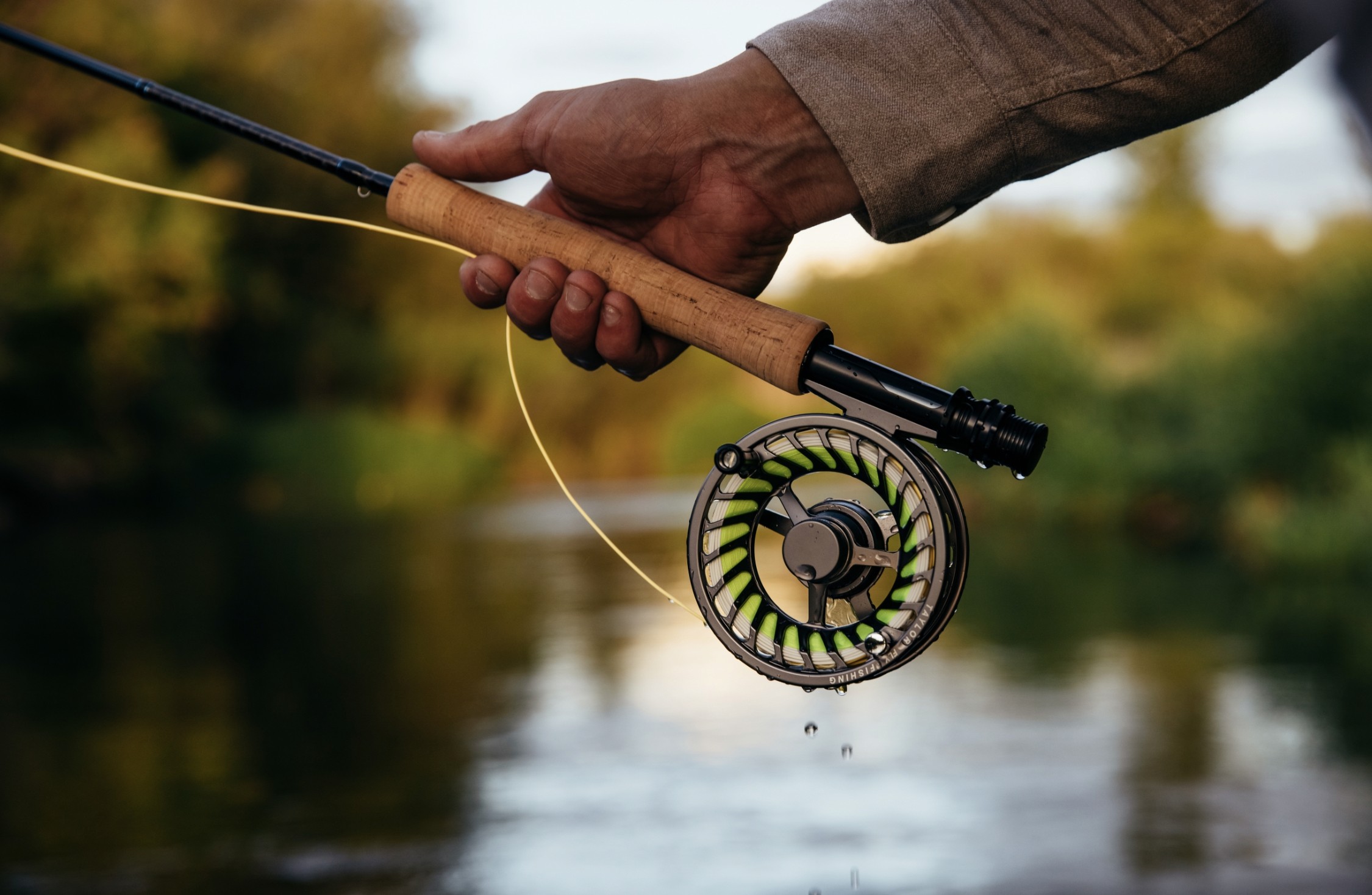
Equipping oneself with the right gear is fundamental for any fly fisherman looking to enhance their experience on the water. Essential equipment includes a quality fly rod, which offers sensitivity and strength, and a matching reel that provides smooth drag and retrieval.
Fly lines, available in various weights and tapers, are vital for casting accuracy and presentation. A selection of flies, tailored to local fish species, guarantees successful catches. Waders and boots provide comfort and protection while traversing various terrains.
Finally, a well-organized tackle box helps keep tools and accessories easily accessible. Investing in these key items not only improves performance but also contributes to a more enjoyable and productive fly fishing experience.
Many fly fishing enthusiasts turn to local fly fishing shops for invaluable tips and insights that can greatly enhance their skills and fishing success. These shops often employ experienced anglers who understand the nuances of local waters, providing tailored advice on the best flies, techniques, and seasonal patterns.
Knowledgeable staff can recommend specific gear suited for various conditions, ensuring anglers are well-equipped for their fishing adventures. Additionally, shops frequently share information about local fish species and their behavior, helping fishermen adapt their strategies.
Observing how local experts tie flies or prepare tackle can also offer practical learning opportunities. Ultimately, these expert insights empower anglers to make informed decisions, improving their overall experience on the water.
How do local fly fishing shops foster a sense of community among anglers? By hosting community events and workshops, these shops create vibrant spaces where enthusiasts can connect and share their passion. Regular classes on fly tying, casting techniques, and equipment maintenance not only enhance skills but also encourage camaraderie among participants.
Seasonal events, such as local fishing tournaments or conservation initiatives, further strengthen community ties by bringing anglers together for a common cause. These gatherings offer opportunities for both novices and seasoned anglers to learn from each other, exchange tips, and build lasting friendships.
By promoting collaboration and shared experiences, local fly fishing shops play a significant role in nurturing a supportive and engaged fishing community.
While exploring local waterways, anglers often seek out the best fishing spots nearby to enhance their experience. Identifying prime locations can greatly impact their success on the water. Local fishing guides, online forums, and community boards provide valuable insights, helping anglers discover hidden gems.
Additionally, examining factors like water temperature, seasonality, and local fish species can guide their choices. Visiting nearby fly fishing shops can also be beneficial; knowledgeable staff often share tips and recommendations.
Utilizing apps and websites that track fishing conditions and user-generated reports further assists in pinpointing ideal sites. By gathering local knowledge and leveraging available resources, anglers can maximize their time on the water and enjoy rewarding fishing experiences.
Common fly fishing knots are essential for ensuring a secure connection between your line, leader, and flies. Key knots include the Improved Clinch Knot for attaching flies, the loop-to-loop knot for connecting lines, and the Palomar Knot for securing lures. Additionally, the Surgeon's Knot is useful for tying two lines together. Mastering these knots enhances your fishing experience by increasing reliability and reducing the risk of losing valuable catches during your outings.
Yes, a fishing license is typically required for fly fishing, as it is for other forms of fishing. Regulations vary by location, so it is essential to check with your local fish and wildlife agency for specific licensing requirements. Additionally, some areas may have special permits or restrictions pertaining to fly fishing. Ensuring compliance with these regulations not only fosters sustainable fishing practices but also enhances the overall fishing experience.
To improve your casting technique, focus on the fundamentals of your stance, grip, and motion. Begin by adopting a balanced stance with feet shoulder-width apart. Maintain a relaxed grip on the rod, ensuring fluidity in your wrist movements. Practice the essential casting strokes, such as the forward and back casts, emphasizing smooth acceleration and deceleration. Regularly assess your form and seek feedback from experienced anglers or instructors to identify areas for refinement.